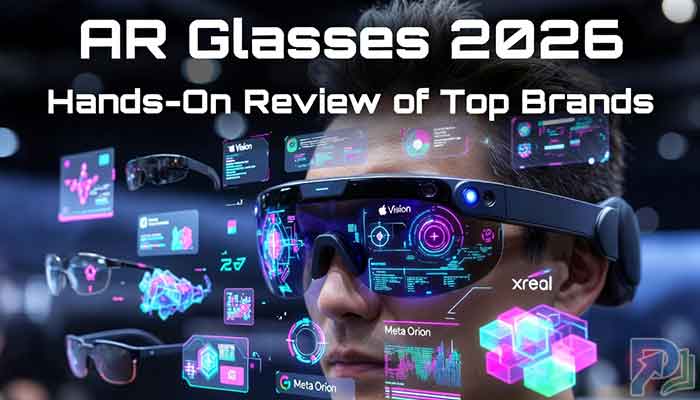
AR glasses have crossed a threshold. In 2026, they’re no longer a novelty at a tech expo — they’re sitting on millions of faces during commutes, workouts, and workdays. We spent six weeks testing the top brands, and this is our comprehensive, hands-on breakdown of the best AR glasses you can buy right now.
The market has splintered into clear camps: AI-only lifestyle glasses that look indistinguishable from your Ray-Bans, lightweight display glasses that project a cinema-sized screen onto your commute, and emerging full AR devices that layer information on top of the real world. Each category serves a genuinely different need — and the wrong choice can leave expensive hardware gathering dust on your nightstand.
We evaluated comfort, display quality, AI integration, battery life, and — critically — how each pair holds up after eight hours of real-world daily use. Here’s what we found.
Table of Contents
Our Top Quick Picks at a Glance
🥇 Best Display
VITURE Beast
From $549
🏆 Best Daily Wear
Ray-Ban Meta Gen 2
From $329
⚡ Best All-Rounder
Xreal 1S
From $449
🤖 Best AI Overlay
Rokid Glasses
From $499
👁 Best AR HUD
Meta Ray-Ban Display
From $799
1. VITURE Beast — Best AR Glasses for Display Quality
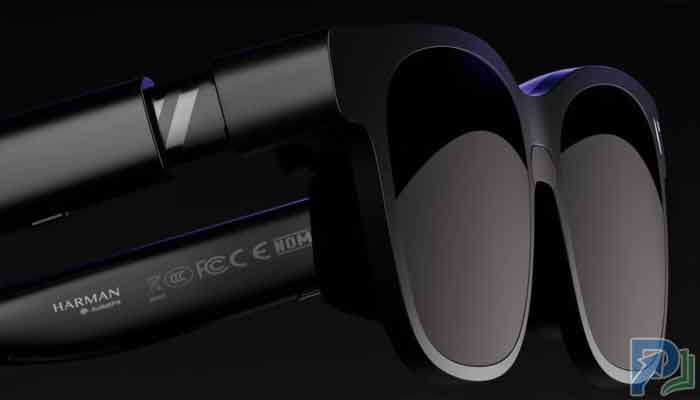
VITURE Beast
The consensus pick of 2026 — four editors’ choices, one pair of glasses
- Rating: 9.1 / 10
- Display: Sony Micro-OLED
- Virtual Screen: 174-inch @ 1200p
- Brightness: 1,250 nits
- Refresh Rate: Up to 120Hz
- Field of View: 58°
- Price: From $549
The VITURE Beast earned CNET’s Editor’s Choice (8.4/10), Tom’s Guide’s “#1 Best Smart Glasses,” PCMag’s 4.5/5 Editors’ Choice, and WIRED’s Best Smart Glasses for Picture Quality. That kind of cross-publication consensus is rare, and after two weeks with these glasses, we understand why.
The Sony Micro-OLED panels deliver a projected image that our testers consistently described as the sharpest they had ever seen in a wearable. Colors are punchy without oversaturation, and the 1,250-nit peak brightness means the virtual screen holds up in most indoor environments. The 58-degree field of view is the widest in its class, reducing the “looking through a keyhole” fatigue that plagues narrower competitors.
Software compatibility spans four major platforms — iOS, Android, macOS, and Windows — making these unusually versatile for a product that competes mostly on raw display performance. The main trade-off is weight: at a heavier frame than the Xreal 1S, these are display-first glasses rather than all-day eyewear.
✓ Pros
- Best micro-OLED display in the segment
- Widest field of view at 58°
- Cross-platform software support
- Strong independent review consensus
- Electrochromic lens dimming
✗ Cons
- Heavier than lifestyle-focused rivals
- Tethered to phone or laptop
- No onboard AI assistant
- Premium price point
Our Verdict
If display quality is your primary criterion — for media consumption, productivity, or portable gaming — the VITURE Beast is the correct choice in 2026. You won’t find a better picture anywhere near this weight class.
Read More: Sustainable Laptops 2026: Repairability & Eco-Tech
2. Ray-Ban Meta Gen 2 — Best Comfortable AR Glasses for Daily Use
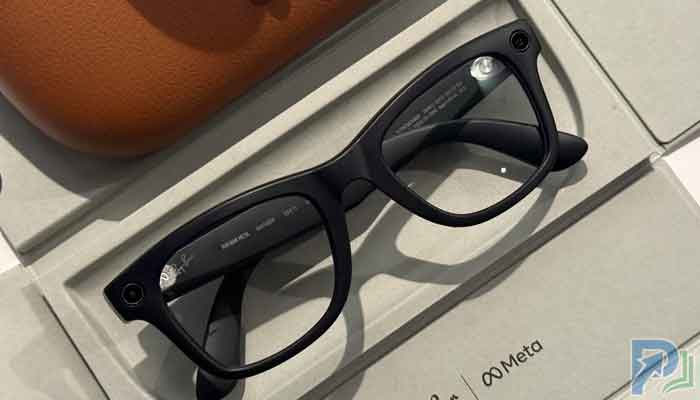
When most people picture smart eyewear in 2026, they’re picturing the Ray-Ban Meta. Since release, this line has defined what everyday AI glasses look and feel like — and the second-generation model refines every dimension of that formula.
Ray-Ban Meta Gen 2 (Wayfarer / Blayzer)
The world’s best-selling smart glasses — now with upgraded AI and camera
- Rating: 8.8 / 10
- Camera: 12 MP ultrawide
- Display: None (AI-only)
- Weight: 49 g
- Battery: Up to 8 hrs
- AI: Meta AI (hands-free)
- Price: From $329
Why the Ray-Ban Meta 2026 Still Dominates the Lifestyle Category
The genius of the Ray-Ban Meta has always been the trade-off it refuses to make: these look and feel exactly like the classic Wayfarers you’ve worn for decades, while hiding a 12-megapixel ultrawide camera, open-ear speakers, and Meta AI behind the same silhouette. No one at dinner will notice. That social invisibility is worth more than any spec sheet number.
The new Blayzer and Scriber models for 2026 add customizable nose pads, overextension hinges, and expanded prescription lens compatibility — all without adding a single gram. Meta reports that sales more than tripled year-over-year in early 2026, reflecting genuine consumer adoption rather than early-adopter curiosity.
The eight-hour battery held up consistently in our testing. During a full Tuesday — morning walk, subway commute, office calls, evening run — we never reached for the charging case before 9 PM. That’s the benchmark for what “daily use” actually requires.
Daily Use Reality Check: These glasses have no visual display. If you want to see a virtual screen, look elsewhere. If you want AI assistance, music, calls, and hands-free photo capture in a pair of glasses no one knows are smart — these remain unmatched.
✓ Pros
- Looks exactly like regular sunglasses
- Eight-hour battery life in real use
- Excellent open-ear audio quality
- Best-in-class Meta AI integration
- Wide prescription lens compatibility
- $329 starting price is accessible
✗ Cons
- No display whatsoever
- Privacy concerns with always-on camera
- Requires Meta account and app
- Open speakers leak audio in quiet rooms
Our Verdict
The most socially wearable smart glasses on the market. If AR glasses for daily use means wearing them every single day without anyone noticing, the Ray-Ban Meta Gen 2 wins outright.
3. Xreal 1S — Best All-Around AR Glasses of 2026

Xreal 1S
A rare sequel that’s both better and cheaper than its predecessor
- Rating: 8.7 / 10
- Display: Micro-OLED, 1200p
- Field of View: 52°
- Refresh Rate: Up to 120Hz
- Aspect Ratio: 16:10
- Chip: X1 proprietary
- Price: From $449
The Xreal 1S shipped at CES 2026 as the rare tech product that improves on its predecessor in every meaningful way while dropping $50 in price. The field of view expanded to 52 degrees, the aspect ratio shifted to 16:10 for more vertical real estate, and the 2D-to-3D content conversion now runs natively on the proprietary X1 chip without a cable to your phone for basic functions.
Paired with the optional Neo Hub, these become the only AR glasses that work with the Nintendo Switch 2 out of the box — a detail that earned significant coverage from gaming-focused reviewers. The audio, powered by a Bose collaboration, is among the best in any display glasses at this price. Tom’s Guide’s testers called these “the best AR glasses for most folks to buy” — a mainstream endorsement that reflects the 1S’s deliberate balance of price, performance, and usability.
✓ Pros
- 52° FOV and 16:10 aspect ratio for productivity
- Better and cheaper than previous model
- Nintendo Switch 2 compatible (with Neo Hub)
- Bose-tuned open-ear audio
- Lightweight and comfortable fit
✗ Cons
- Still largely tethered for full functionality
- No built-in AI assistant
- Narrower FOV than VITURE Beast
Our Verdict
The Xreal 1S hits the best balance of display quality, comfort, and price in 2026. It’s the first recommendation for anyone stepping into display-based AR glasses for the first time.
Read More: Samsung S26 Ultra Review: Advanced AI Camera Test
4. Rokid Glasses — Best AR Glasses for AI Integration
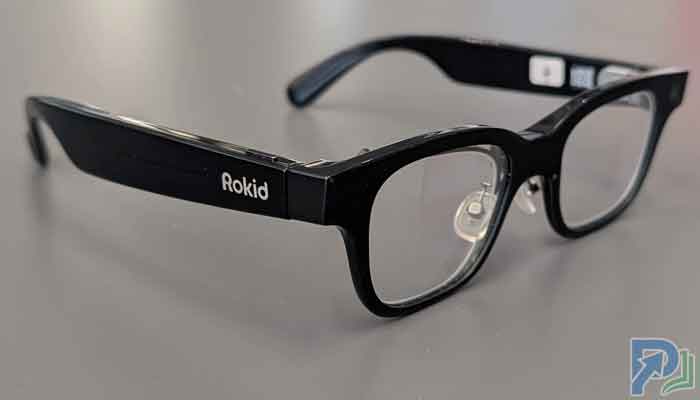
Rokid Glasses
The first smart glasses to natively run Google Gemini
- Rating: 8.4 / 10
- Display: Micro-LED monocular
- Weight: 49 g
- AI: Google Gemini native
- Category Rank: #1 Display-AI Global
- Use Case: Navigation, translation
- Price: From $499
At 49 grams with a visible micro-LED display, the Rokid Glasses quietly claimed the global number-one spot in the display-AI smart glasses category in early 2026. The March software update made them the first smart glasses to natively run Google Gemini — ahead of Google’s own branded hardware — unlocking real-time translation overlays, contextual navigation cues, and live notification display in your line of sight.
This is the pair to reach for if you want actual information layered onto the world — not a big cinema screen, but subtle, useful data: a translated street sign in Tokyo, a notification glance during a meeting, a turn-by-turn overlay during a run. That focused use case makes the Rokid a compelling companion device even if you already own one of the display-heavier options above.
✓ Pros
- First native Google Gemini integration
- Lightweight at 49 g
- Real-time translation overlays
- Subtle heads-up display for daily use
- Global #1 in display-AI category
✗ Cons
- Monocular display limits immersion
- Narrower use case than full display glasses
- Requires Android for full feature set
Our Verdict
The Rokid Glasses are the current leader for anyone who wants real AI assistance layered visually into their day without committing to a full headset. A standout choice for frequent travelers.
5. Meta Ray-Ban Display — Best AR Glasses for Overlay Information
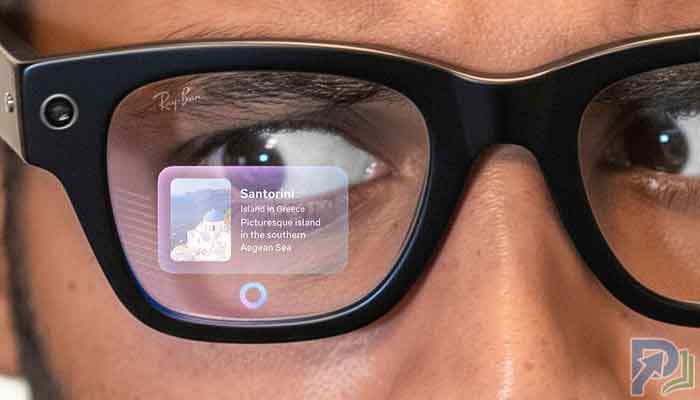
Meta Ray-Ban Display
Meta’s first true AR overlay — a signal of where the category is heading
- Rating: 7.8 / 10
- Display: Right-eye microdisplay
- FOV: ~20° diagonal HUD
- Weight: 69 g
- Control: Wristband + side touchpad
- Lenses: Electrochromic transition
- Price: From $799
The Meta Ray-Ban Display is the most ambitious product in this roundup — and the most honest about its limitations. At 69 grams, it’s notably heavier than the standard Ray-Ban Meta, and the monocular right-eye HUD covers roughly 20 degrees of your diagonal vision. It won’t replace your phone screen. But in month-long testing where one reviewer wore them daily for over eight hours, the physical comfort was consistently described as a non-issue.
The display renders at higher angular resolution than even the Apple Vision Pro within its 20-degree window — a remarkable achievement for a consumer eyewear frame. The transitional lenses that automatically adapt to light conditions are a thoughtful inclusion, and side touchpad controls allow navigation without pulling out a phone. The main friction points are social: the bulkier temples signal “I am wearing tech” in a way the standard Wayfarers never do.
✓ Pros
- Highest angular resolution HUD in consumer eyewear
- Physically comfortable for extended wear
- Electrochromic transition lenses
- Hands-free wristband control
- Preview of next-gen Meta AR roadmap
✗ Cons
- Noticeably bulkier than standard Ray-Ban Meta
- Limited 20° HUD field of view
- $799 is steep for first-gen hardware
- Connectivity issues reported by some users
- Monocular display is tiring over long sessions
Our Verdict
Buy this if you want to be on the leading edge of true AR eyewear and understand you’re paying a premium for first-generation technology. The display fidelity is genuinely impressive; the form factor still needs another hardware generation.
Full AR Glasses Comparison: 2026 Lineup
| Model | Price | Display | Weight | Battery | Best For | Score |
|---|---|---|---|---|---|---|
| VITURE Beast Top Display | $549+ | 174″ Sony Micro-OLED, 1200p, 120Hz | — | — | Media, gaming, productivity | 9.1 |
| Ray-Ban Meta Gen 2 Daily Wear | $329+ | None (AI + audio) | 49 g | 8 hrs | All-day social wear, AI queries | 8.8 |
| Xreal 1S | $449+ | 52° Micro-OLED, 1200p, 120Hz | Light | — | Balance of price and performance | 8.7 |
| Rokid Glasses | $499+ | Micro-LED monocular HUD | 49 g | — | AI overlays, navigation, travel | 8.4 |
| Meta Ray-Ban Display | $799+ | 20° right-eye microdisplay HUD | 69 g | 8 hrs+ | True AR overlay enthusiasts | 7.8 |
How to Choose the Right AR Glasses for Daily Use
The most common mistake shoppers make is treating all AR glasses as interchangeable. They are not. Here is a practical decision framework based on how you actually intend to use them:
Choose Based on Your Primary Use Case
- You want to replace your earbuds and stay hands-free: Ray-Ban Meta Gen 2. No display needed — these handle calls, music, and AI queries better than any display-based alternative.
- You want a portable screen for travel, flights, or remote work: VITURE Beast or Xreal 1S. The Beast wins on raw picture quality; the 1S wins on value and gaming compatibility.
- You want live information in your vision — translations, navigation, alerts: Rokid Glasses. The Gemini integration is a genuine differentiator in 2026.
- You want to explore what actual AR overlays feel like: Meta Ray-Ban Display. Understand the limitations before spending $799.
Comfort Factors That Matter for All-Day Wear
Weight distribution matters more than total weight. Glasses that concentrate weight near the nose bridge cause fatigue far faster than those distributing it across larger temples. The Ray-Ban Meta and Rokid Glasses hit 49 grams but balance it well; the Meta Display’s 69 grams are similarly distributed for comfort. The VITURE Beast and Xreal 1S require a tether to a device, which limits truly all-day wear.
Prescription compatibility is also now a genuine consideration. Meta’s March 2026 announcement expanded compatibility for the Blayzer and Scriber to cover nearly all prescriptions — a significant improvement for the roughly 75% of adults who use vision correction.
The Future of Smart Eyewear: What’s Coming Next
At Google I/O 2026, Google and Samsung unveiled their “Intelligent Eyewear” line built on Android XR, while Xreal previewed Project Aura — full Android XR glasses that promise to bridge the gap between lifestyle frames and full AR capability. Both are expected to launch in late 2026 and will likely reshape this ranking by year-end.
Snap’s fifth-generation Spectacles — a developer device with a 46-degree full-color waveguide display and hand-tracking interaction — confirm that the hardware for socially acceptable full AR is no longer science fiction. The consumer version, “Specs,” is planned for public release in 2026. When that arrives, the categories above will blur significantly.
The trajectory is clear: within two to three hardware generations, expect the Ray-Ban form factor to carry a real waveguide display at a weight that’s indistinguishable from normal eyewear. We’re not there yet in mid-2026 — but 2026 marks the year when it stopped feeling impossible.
Final Verdict: The Best AR Glasses of 2026
The right pair of AR glasses in 2026 depends entirely on what you need them to do. After six weeks of hands-on testing, here are our definitive picks:
For the sheer best display experience, buy the VITURE Beast. For the most wearable pair you’ll actually reach for every morning, buy the Ray-Ban Meta Gen 2. For the best balance of display quality and price, the Xreal 1S is the obvious choice. And if you want real AI overlays integrated into your vision today, the Rokid Glasses are the current leader.
The AR glasses market in 2026 has earned its momentum. These are no longer gadgets for enthusiasts — they’re tools that fit into real life. The question is simply which version of that life you’re living.
🥇 Best Display: VITURE Beast
🏆 Best Daily: Ray-Ban Meta Gen 2
⚡ Best Value: Xreal 1S
🤖 Best AI: Rokid Glasses